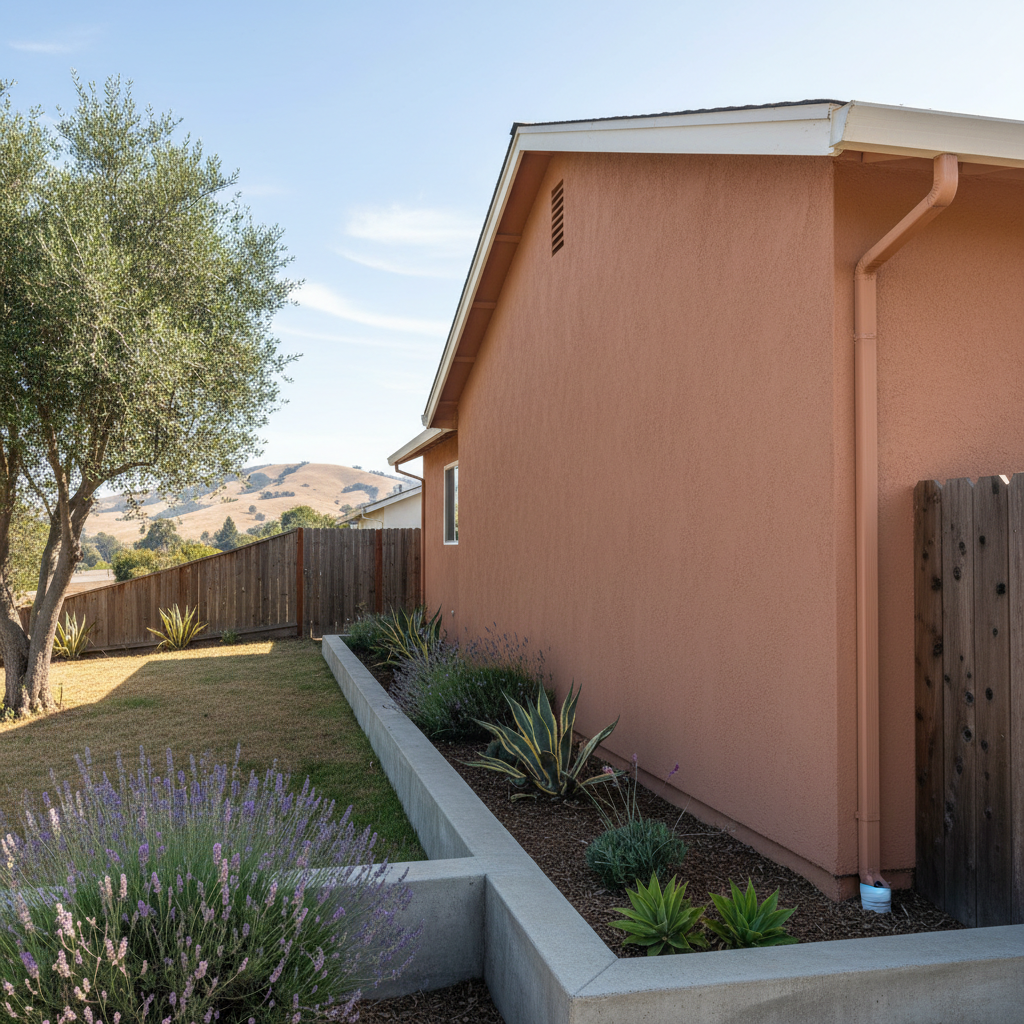
So, you've invested in redashing your stucco, maybe because your old finish was looking tired, cracked, or just needed a serious facelift. That's a smart move. A good redash job, done right, should last you a long time. But 'a long time' doesn't mean 'forever without a thought.' You've still got to give it a little love to make sure it performs as it should, especially with our Bay Area weather doing its thing.
Extending the Life of Your Redashed Stucco
The biggest thing you can do to extend the life of your redashed stucco is simple: keep it clean and keep an eye on it. Think of it like maintaining your car; regular check-ups prevent bigger problems down the road. After we finish a redash, that new stucco needs to cure properly. We're always careful about that, but once it's cured, it's pretty tough. Still, it's not invincible.
One thing we see a lot here in San Leandro, especially in those older neighborhoods with big trees, is organic growth. Moss, algae, even mildew can start to grow on stucco, particularly on shaded walls or areas that don't get much sun. This isn't just an aesthetic issue; it can hold moisture against the surface, which isn't good for the stucco or the substrate underneath. A soft wash with a mild detergent and water, maybe with a little bleach for stubborn spots, can work wonders. Just don't go at it with a high-pressure washer set to kill – you can damage the finish, especially if it's a softer, more textured finish.
Also, trim back any bushes or trees that are constantly rubbing against your stucco. That constant friction will wear down the finish over time, and it's an easy fix to prevent.
Regular Maintenance: What You Need to Do
For most homeowners, regular maintenance boils down to a few things:
- Annual Inspection: Walk around your house once a year. Look at every wall. Get up close. Are there any new cracks? Any discoloration? Any spots that look wet when they shouldn't? Pay extra attention to areas around windows, doors, and where the stucco meets the foundation or roofline. These are often the first places problems show up.
- Clean as Needed: Like I mentioned, if you see green or black spots, clean them. A garden hose and a soft brush can handle most surface dirt. For tougher stuff, use a mild cleaner.
- Check Your Gutters and Downspouts: This is huge. If your gutters are clogged or your downspouts are dumping water right next to your foundation, that water will eventually find its way into your stucco. Make sure they're clear and directing water away from your house.
- Maintain Landscaping: Keep plants from growing directly against the stucco. You want good airflow around your home's exterior.
It's not rocket science, but it does take a little bit of your time. That time will save you a lot of money in the long run.
Warning Signs of Problems
You've done the redash, it looks great. What should make you pick up the phone and call us? Here are the big red flags:
- Cracks that are getting bigger: Hairline cracks are pretty common and usually not a big deal. But if you see cracks that are wider than a credit card, or if they're growing in length or width, that's a problem. Especially if they're stair-stepping cracks around windows or doors, or horizontal cracks.
- Discoloration or Stains: Dark streaks, especially under windows or near the roofline, often mean water is getting in somewhere. Green or black patches that won't wash off could indicate persistent moisture issues.
- Bulging or Soft Spots: If you press on the stucco and it feels soft, or if you see areas that look like they're bulging out, that's a serious sign of water intrusion and damage to the substrate.
- Efflorescence: This is that white, powdery substance you sometimes see on masonry. It's mineral salts left behind when water evaporates from within the stucco. It means water is getting in and then coming out, bringing minerals with it.
- Pest Infestations: If you notice a lot of insect activity around cracks or holes in your stucco, they might be taking advantage of moisture or damage.
Don't ignore these. A small problem caught early is always easier and cheaper to fix than a big one that's been festering.
When to Call a Professional
Look, I'm a contractor, and I'm all for homeowners doing what they can. But there are times you just need to call in the pros. If you see any of those warning signs I just talked about, especially the bigger cracks, soft spots, or persistent water stains, don't try to patch it yourself with some caulk and hope for the best. You might just be covering up a much larger issue.
When you call Synergy Stucco San Leandro, we'll come out, take a look, and give you an honest assessment. Sometimes it's a simple repair, other times it's a sign of something more significant that needs addressing. We've got the experience to diagnose the root cause, not just treat the symptom. Getting it fixed right the first time will save you headaches and money down the line. Your home is a big investment; protect it.